There’s a quiet pressure that often surrounds newborn photography. Somewhere along the way, the idea formed that newborn photos must happen within the first 5–10 days. That if you miss that window, you’ve missed your chance. That those early days are the only days worth documenting.
But here’s the truth.
Newborn photos do not have to happen in the first 10 days. And for many families, waiting a little longer can be not only easier, but far more meaningful.
As a motherhood and newborn photographer in Maitland, Newcastle and the Hunter Valley, I see the difference this slower approach makes, not just in photos, but in the experience itself.
The First 10 Days Are for Recovery, Not Performance
Birth is extraordinary. It’s also physical, intense, and deeply demanding on the body.
In the days after birth, a mother is healing from something monumental. There is literal internal healing happening. Hormones are shifting dramatically. Sleep is broken. Emotions can feel raw and unpredictable. On top of that, there is a dinner plate sized wound inside the body that needs time to heal.
Yet somehow, mums are expected to get dressed, organise outfits, pack bags, feed babies on a schedule, manage siblings, and be photo ready.
It’s a lot.
Even the most relaxed photo session still requires energy. And in those first days, energy is often in short supply.
Waiting until 4–10 weeks postpartum allows mum’s body to rest first. To recover. To feel a little more like herself again. And that matters.
Feeling Like Yourself Matters
Postpartum bodies are different. That’s normal. But many mums don’t feel comfortable or confident in the very early weeks. They are still swelling. Still healing. Still adjusting.
Waiting allows mums to choose clothing that feels comfortable. To move without pain. To recognise themselves again.
This isn’t about vanity. It’s about allowing mums to show up without feeling exposed or rushed.
The Emotional Load of Early Postpartum
Those early weeks can be fragile. The hormone drop after birth is no small thing. Baby blues are common. Anxiety can creep in unexpectedly. The risk of postnatal anxiety and postnatal depression is real and heightened during this period.
The last thing a freshly postpartum mum needs is pressure. Pressure to be somewhere. Pressure to look a certain way. Pressure to meet a deadline that doesn’t actually exist. When newborn photos are booked a little later, the urgency softens. There’s flexibility. There’s breathing room. And often, a much calmer experience.
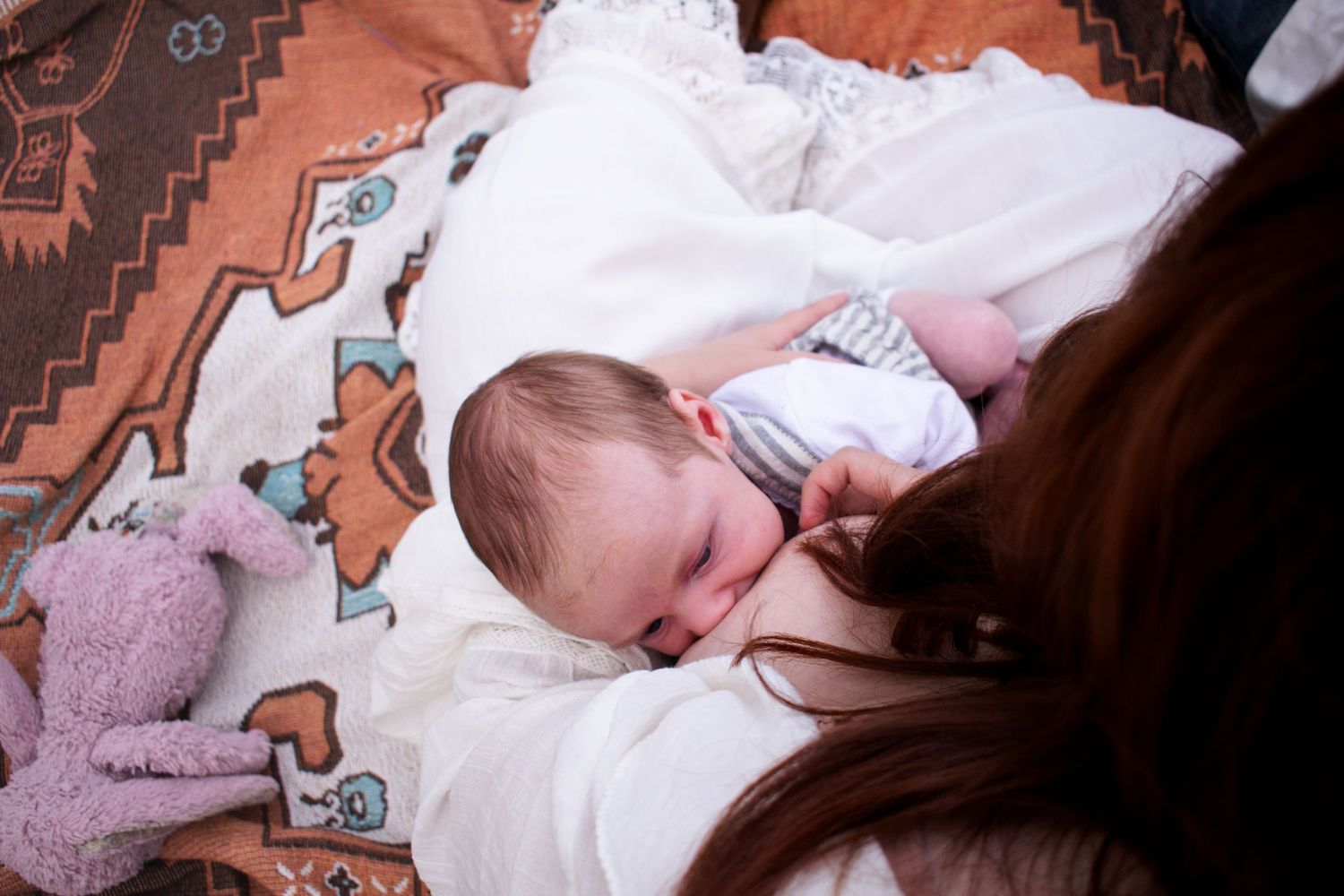
Breastfeeding Is Still Being Figured Out
For many families, feeding is still a learning curve in those early days.
Breastfeeding can come with engorgement, cracked and bleeding nipples, poor latch, oversupply, fast letdowns that overwhelm baby, and constant uncertainty.
Mum is learning her body. Baby is learning how to feed. Both are doing their best.
Adding extra appointments and expectations during this stage can feel overwhelming.
By 4–10 weeks, many feeding journeys feel a little more settled. Not perfect. Not easy for everyone. But familiar enough that mum doesn’t feel like she’s constantly firefighting. This makes a world of difference during a photoshoot.
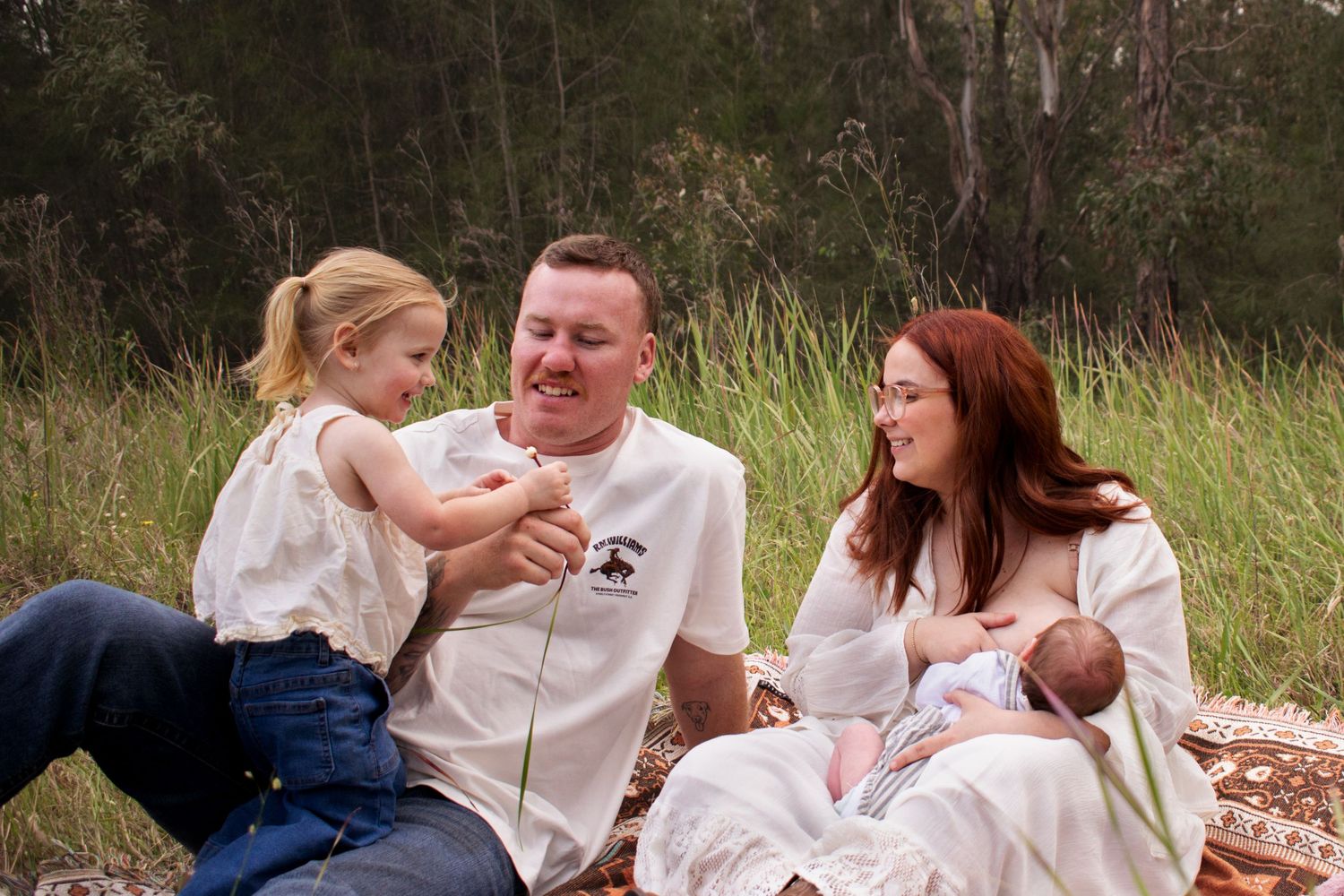
This is also a beautiful window to gently document feeding, if that’s important to you. Many mums feel more confident breastfeeding in front of the camera once things feel a little more established.
Breastfeeding is always welcome during newborn sessions, and for some families, waiting allows this chapter of their story to be captured in a way that feels calm and respectful. If documenting feeding is meaningful to you, you may also like to read more about breastfeeding milestone sessions and why these moments matter.
Your Baby Is Recovering Too
Babies are not simply sleepy in the first 10 days because that’s how they are. They are recovering from birth.
They are learning how to exist outside the womb. How to digest milk. How to regulate their body temperature. How to recognise voices. How to rest.
Those sleepy newborn days are beautiful, but they are also a sign of how much adjustment is happening for your baby.
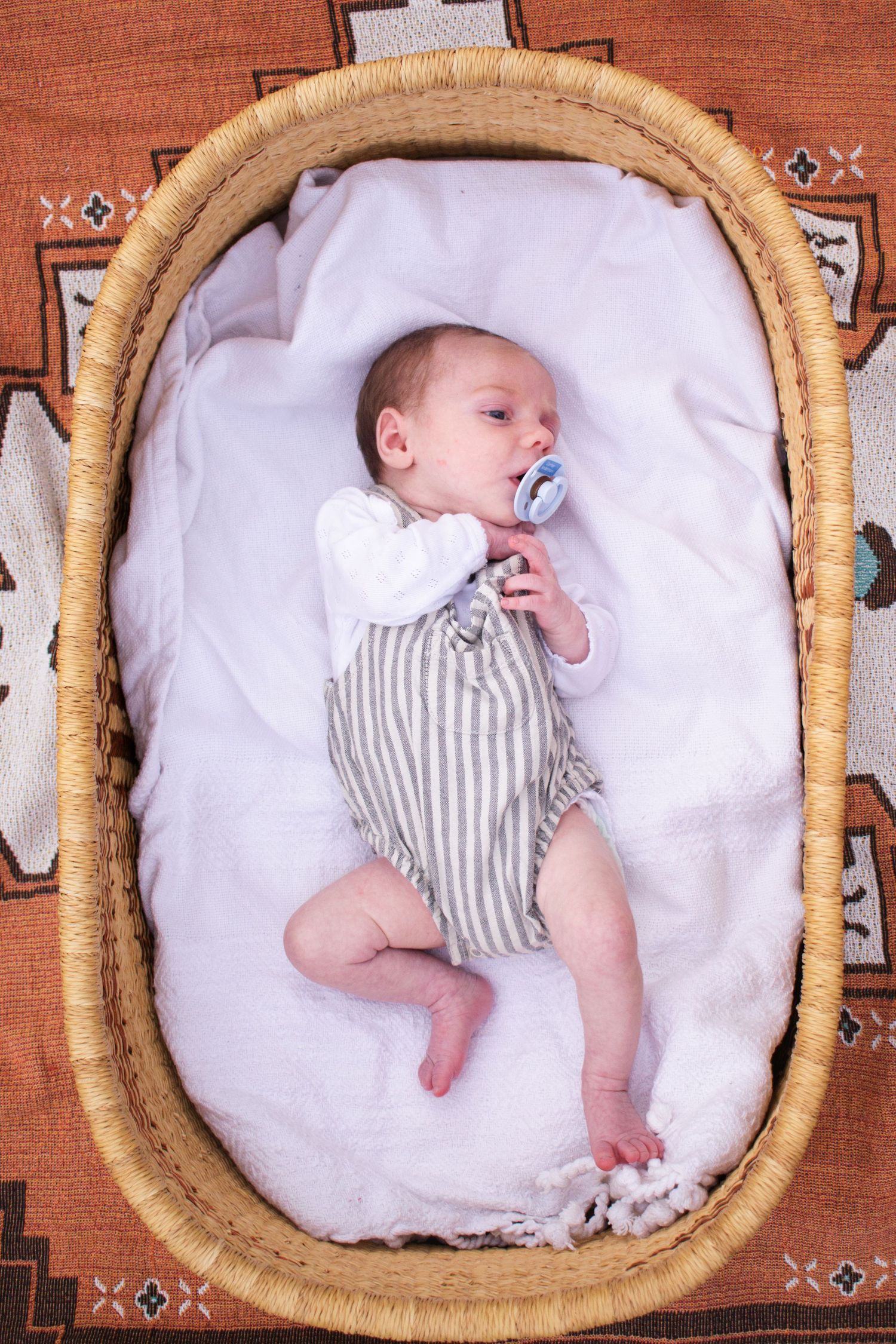
By 4–10 weeks, babies are often more alert. Their eyes track. Their expressions deepen. Their personalities begin to peek through.
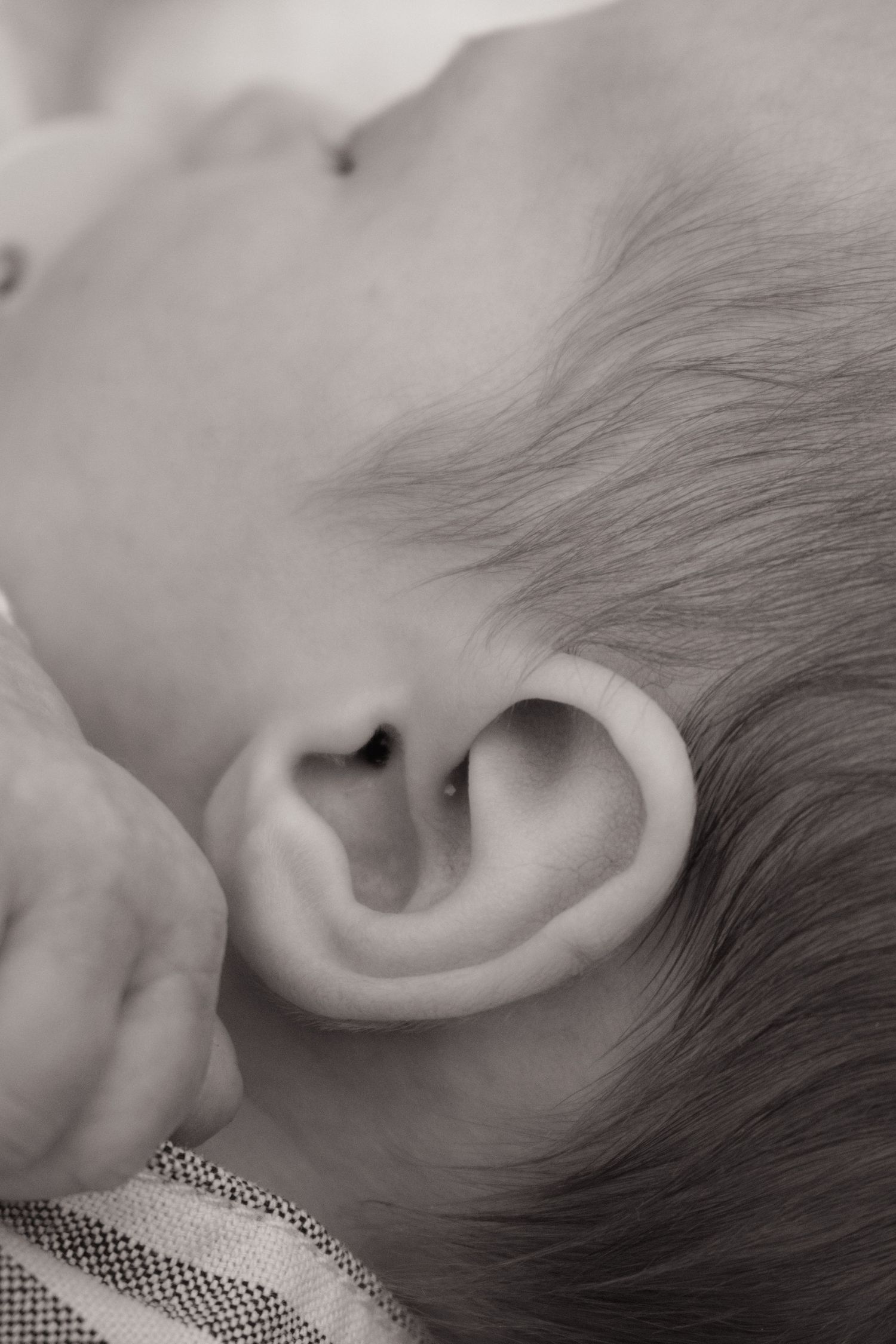
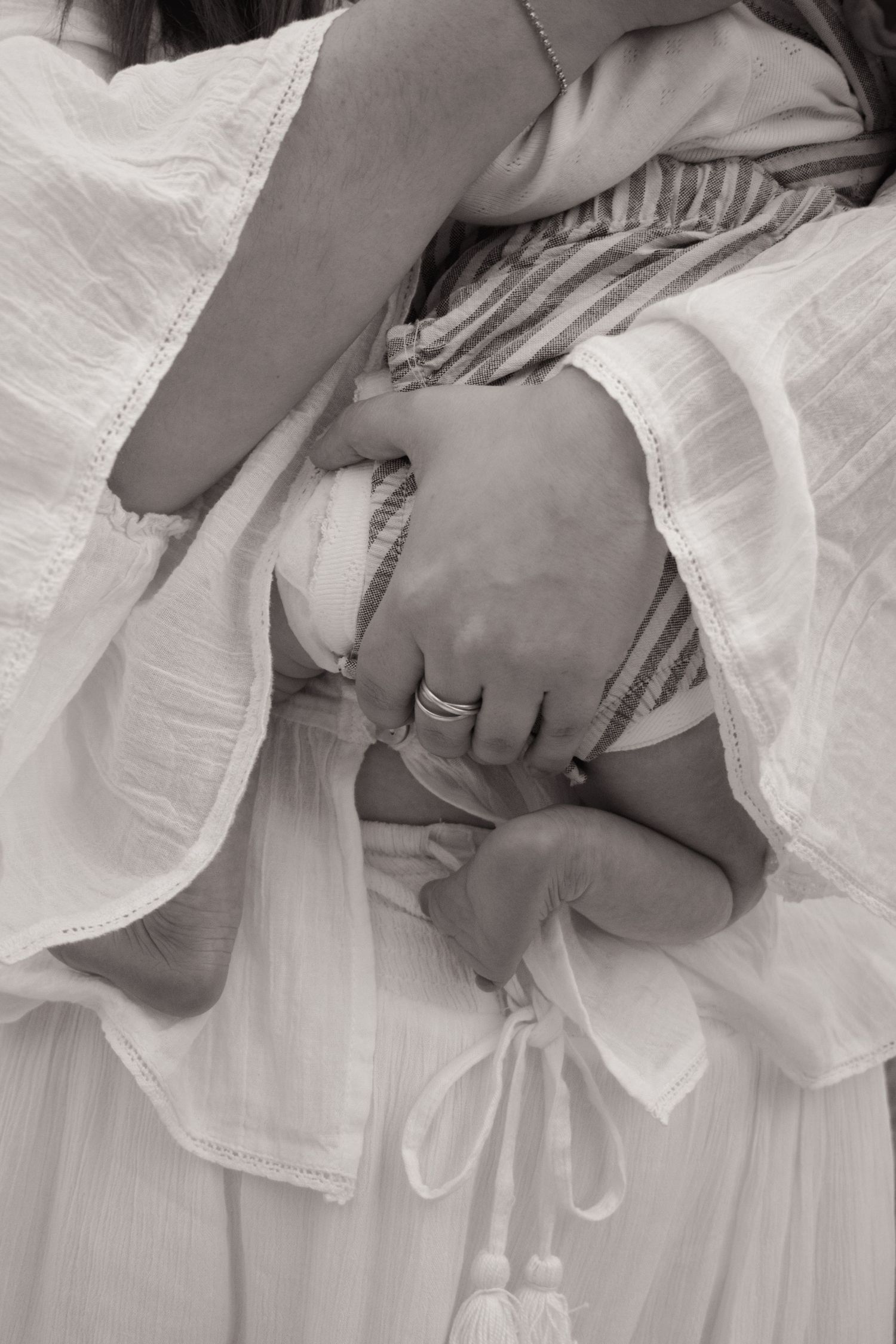
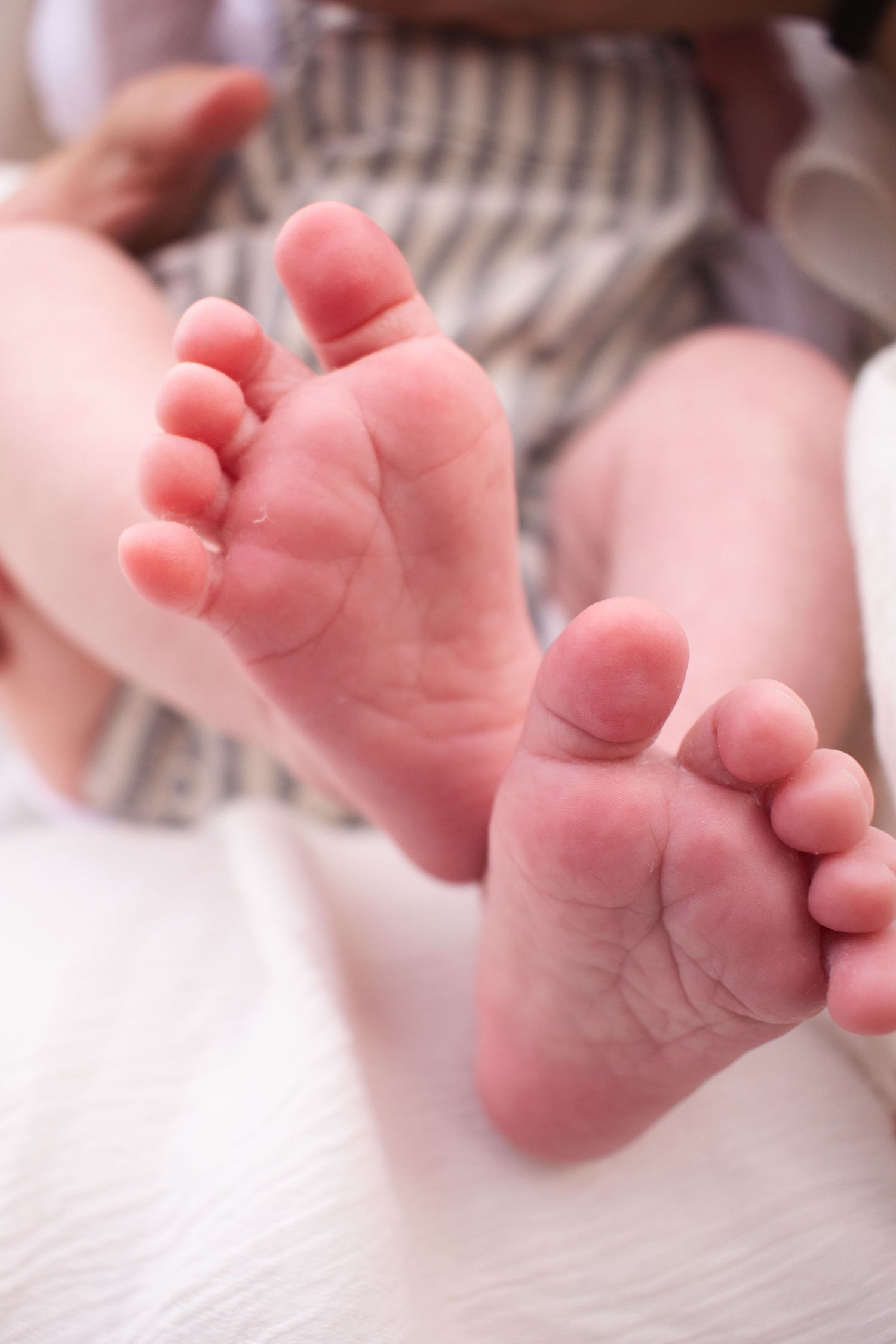
We still see the tiny details. The small hands. The delicate eyelashes. The soft ears. The curled toes.
But we also see connection.
The Magic of First Smiles
One of the most beautiful things about waiting a little longer is the possibility of first smiles.
Those early smiles are fleeting and imperfect. They don’t last long. But they are powerful.
They change the way your photos feel.
Suddenly, it’s not just about how tiny your baby was. It’s about how they looked at you. How they responded to your voice. How they began to interact with their world. These moments are just as worthy of being documented.
When There Are Siblings Involved
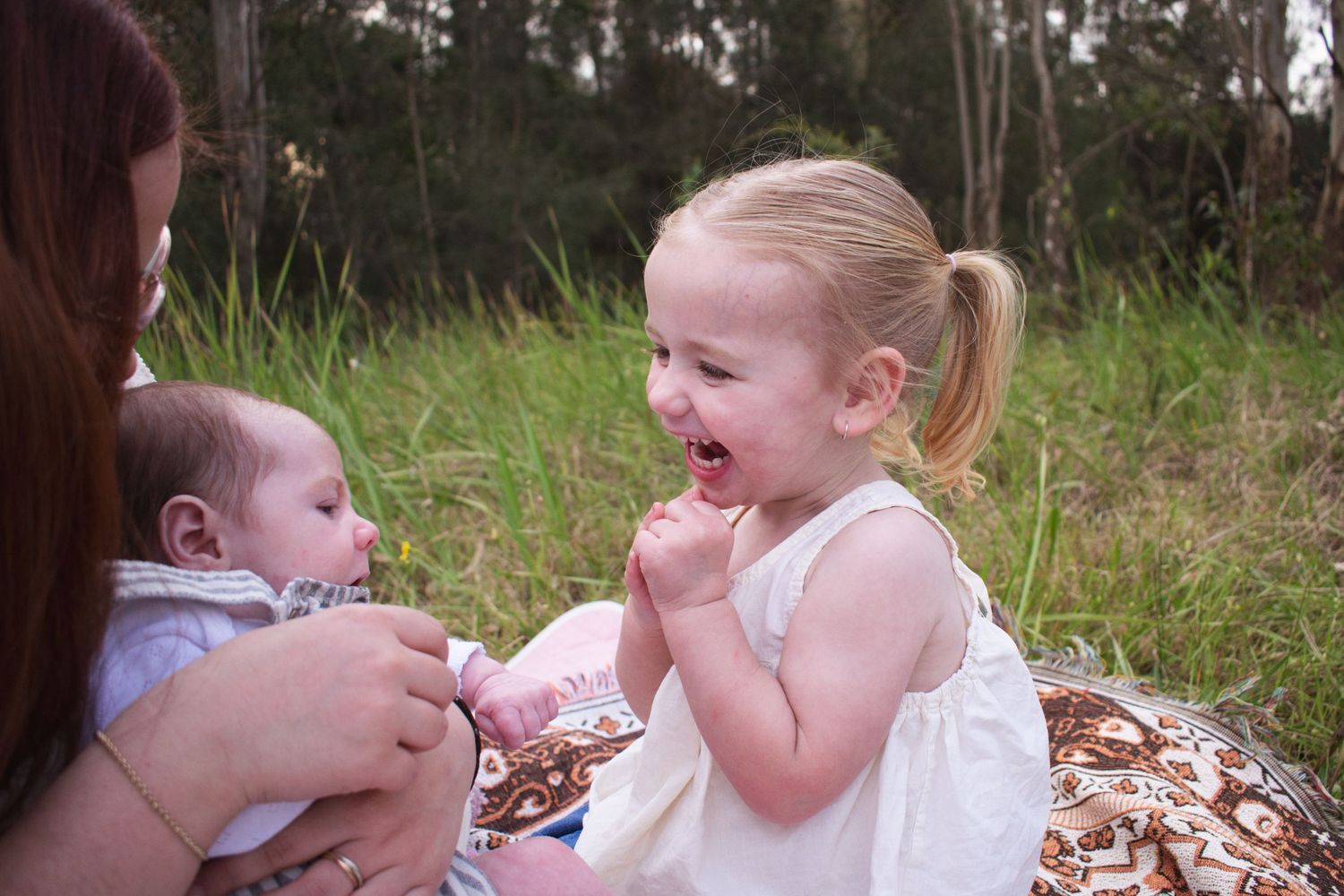
If this isn’t your first baby, then you already know how big this change is for older siblings.
Life shifts overnight. Sleep is disrupted. Attention is divided. Routines change.
Asking a sibling to perform, smile, and cooperate during the earliest postpartum days can feel unrealistic.
Waiting a few weeks allows siblings time to adjust. To process. To settle into their new role.
When siblings feel more secure, connection flows more naturally. The photos reflect that.
It’s a Huge Change for Parents Too
Especially with a first baby, the shift into parenthood is massive. Everything changes. Your relationship dynamic. Your sense of time. Your priorities. Your identity. Those first weeks are about survival and learning. About finding your feet.
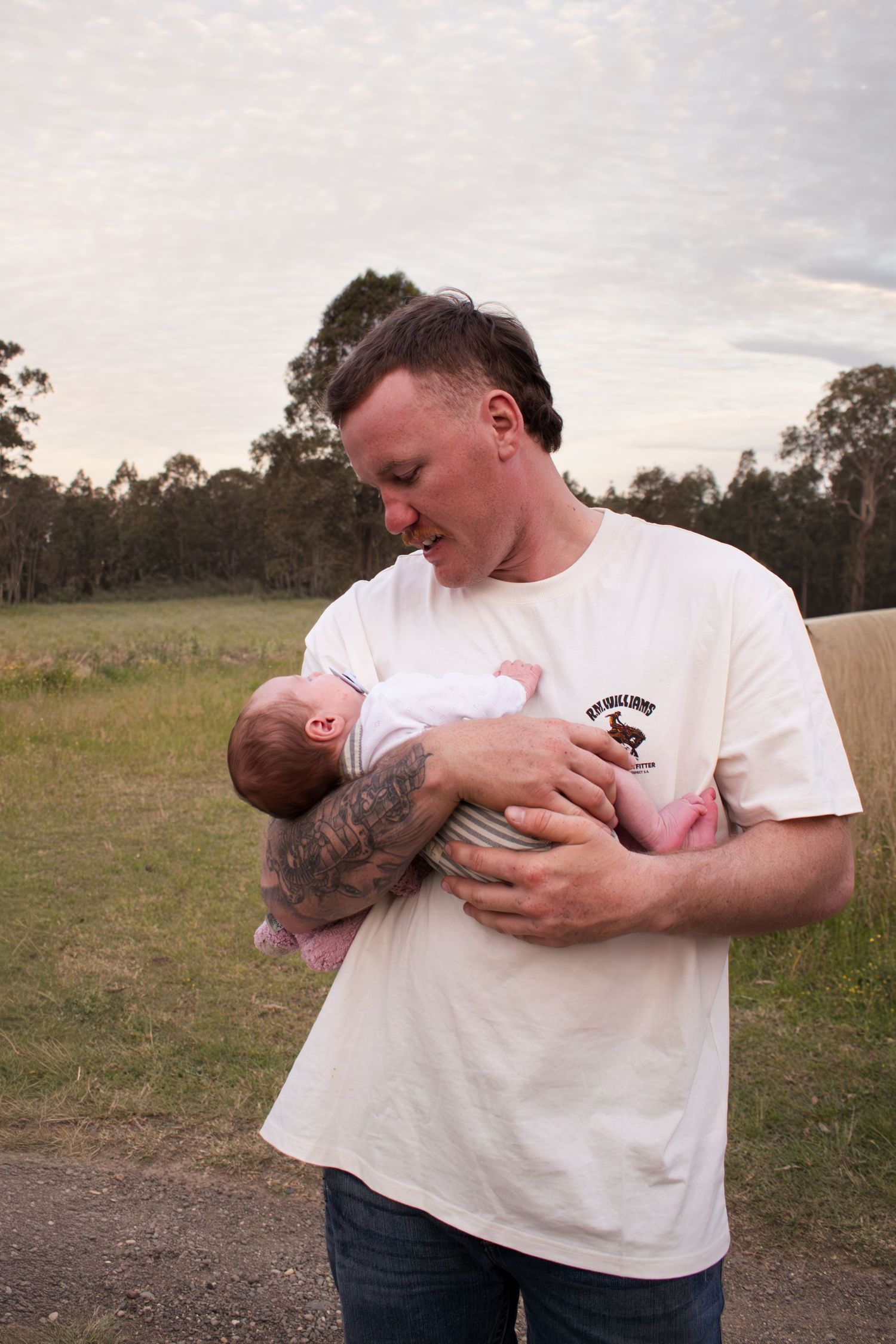
There is no rush to document this before you’ve even had a chance to breathe. By waiting until 4–10 weeks, parents often feel more grounded. More confident holding their baby. More present. And presence is what creates meaningful images.
Flexible Timing Without the Rush
While sessions are scheduled around beautiful light, there is no pressure to rush.
Newborn sessions are intentionally longer to allow space for feeds, nappy changes, cuddles and soothing. We pause as often as your baby needs. There is no clock watching and no expectation to push through.
This approach supports recovery, reduces stress, and allows your baby to settle naturally. You don’t need to have everything timed perfectly. We work gently within the session so you can stay present.
A Calmer Experience, A Better Memory
When sessions happen later, the entire experience shifts. There’s less pressure around booking an exact date. Less anxiety about baby arriving on time. Less stress if plans need to change. This flexibility is important, especially when mental health is fragile. A calm session doesn’t just create better photos. It creates a better memory.
The gentle benefit of waiting a little longer is memory. Those first days after birth are often lived in a haze. Sleep is fragmented. Hormones are fluctuating. Days and nights blur together. Many parents later say they can barely remember that time, even though it felt all consuming.
When newborn photos are taken a little later, parents are often more present. They remember the way they felt. The sound of their baby’s breathing. The quiet moments between images. These sessions don’t just create photographs. They create memories you can actually hold onto.
You’re Not Missing the Newborn Stage
This is something I hear often.
“If I wait, will I miss it?”
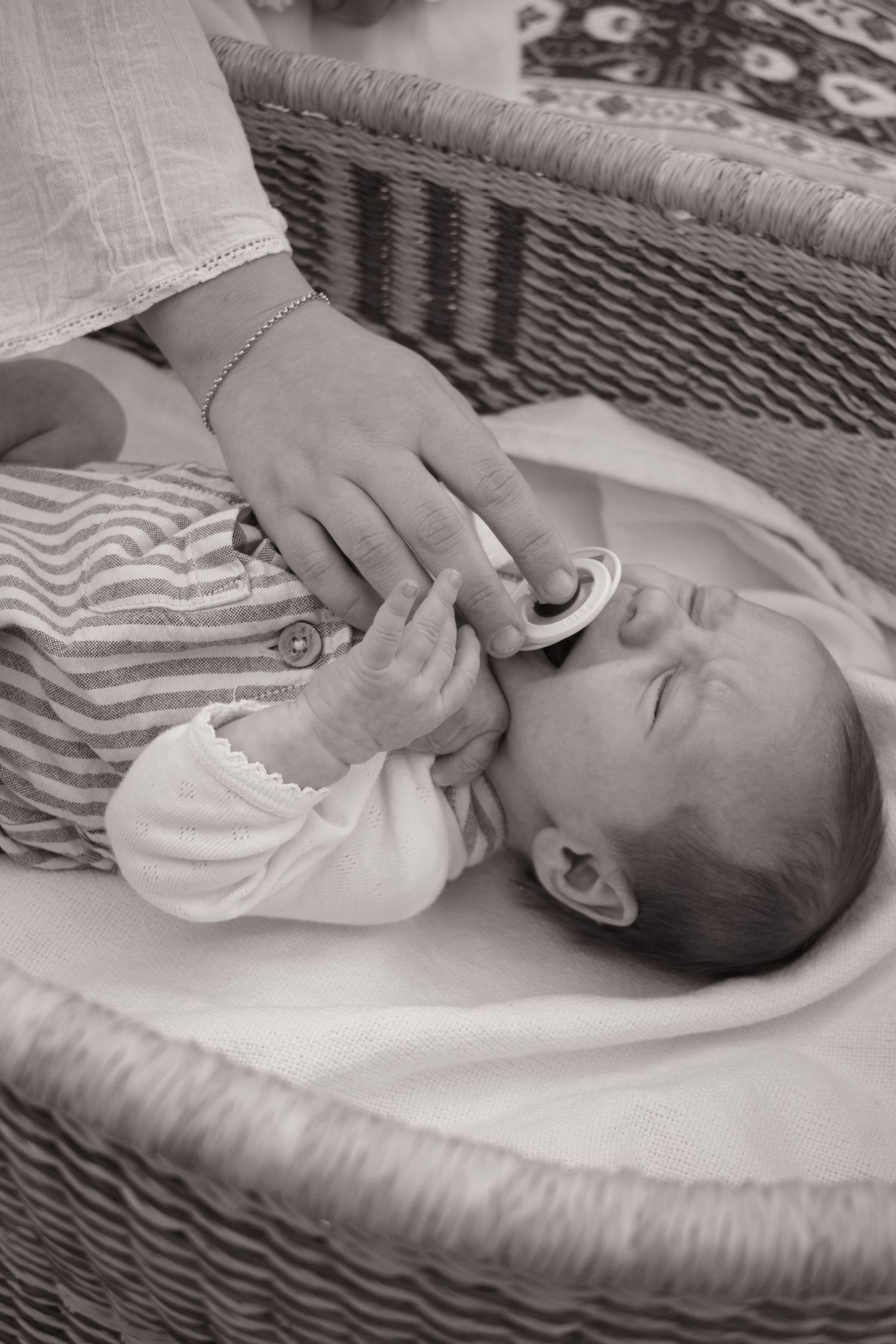
The answer is no. At 4–10 weeks, your baby is still very much a newborn. They are still tiny. Still new. Still changing every day. But they are also beginning to show you who they are. And that is incredibly special.
A Gentle Reminder
There is no right or wrong way to document your newborn.
Early newborn sessions are beautiful and valid.
Later newborn sessions are beautiful and valid.
What matters is choosing what supports you.
As a newborn photographer in Maitland, Newcastle and the Hunter Valley, my role is not to rush families. It’s to meet them where they are. If waiting a little longer feels kinder, calmer, and more aligned with your needs, then that is more than enough reason. Your baby will still be small. Your bond will still be new. Your story will still be worth remembering.